Say it with me: just one more run. There is a specific hour of the night when endless runner games online stop being a game and become a personality test. My personal record for "just one more run" is, I'm embarrassed to say, until my laptop warned me about its own battery. I died, came back, died again, and every time the screen said my new best was one meter further than my old best, my brain said "see? progress." That tiny trick — always a little further, always one more try — is the entire reason this genre has eaten so many of my evenings. And I'm not done letting it.
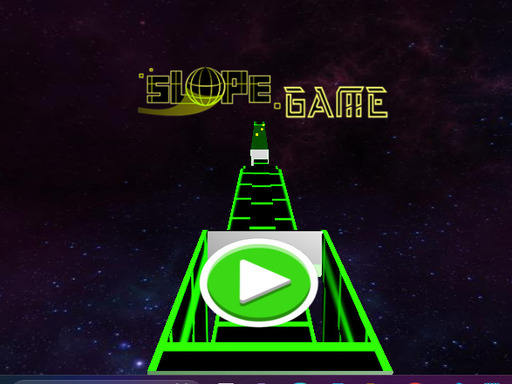
The endless runner didn't get famous by accident. It's the same formula that made games like Temple Run and Subway Surfers household names: a character that runs forever, obstacles that get faster, and a score that only goes up while you're alive. There's no finish line, no final boss, no "you beat it." The game is purely a conversation between you and your own last run.
The addiction engine is simple and brutally effective. Failures don't feel like failures because you restart in two seconds. Every death teaches you the pattern that killed you, and skill improves visibly from run to run. And the near-misses — the ones where you clip past a barrier by a pixel — are engineered to feel like victories, not luck. Your brain remembers the close calls as almost-winning, and "almost" is the strongest hook in gaming.
Part of the genre's magic is how simple the controls are. Most endless runner games online run on a single tap: tap to jump, tap again mid-air to double-jump, and sometimes tap-and-hold to slide. That's the whole skill set. If you're on a laptop instead of a touch screen, the keyboard versions map the same moves to a key, and it transfers instantly.
That simplicity is the point. There's no combo list to memorize, no upgrade tree to optimize — just you, the road, and your reflexes. I've played these in browser tabs during loading screens, waiting rooms, and one memorable dentist's office visit where I definitely should have been focusing on something else.
After too many runs to count, here's what actually moves your score up:
Endless runners hide under a few different labels, which is honestly half the fun of hunting them down. The action games category is the big tent — that's where most of the forward-motion chaos lives. And the arcade games category is the score-chaser's home turf, full of the short, brutal, "one more run" titles that do the genre best. My advice: grab something with a theme that makes you smile, because you're going to see that opening screen a lot.
The track itself goes on forever — that's the deal. What ends is you, specifically your run, the moment you hit an obstacle. Hence the name, and hence all the "one more run" promises.
The genre is a learning curve by design. Early runs are mostly about seeing what's out there; your reflexes adapt as your brain logs the patterns. It's one of the most beginner-friendly competitive genres around because the failure state costs you two seconds.
Yes. The browser versions map the jump and slide to keys, so it works on any laptop with no touch screen at all. Open one in a tab and you're running within ten seconds.
Best scores are typically tracked within your session so you always have a number to chase. The real score history, though, lives in your memory — specifically the run you swear you would have beaten if you hadn't blinked.
I'm not going to pretend I'm above this genre, because I demonstrably am not. But if you want to find out if the "one more run" bug bites you too, the arcade games category is the fastest way to test it. Or start with the action games side if you want a little more variety in your chaos. Either way, I'll see you at the high-score screen — I'll be the one leaning left in my chair, as if that helps, because it never does.